A collaborative UK industrial research project
SMART-HEAT PRO is a collaborative UK industrial research project developing a scalable machine-learning approach for resource-efficient thermal heat treatment. The project combines process sensing, data acquisition, machine-learning analysis and metallurgical knowledge to investigate how industrial heat-treatment processes can be better understood and supported.
The project focuses on aluminium castings, with industrial demonstration and validation forming an important part of the programme.
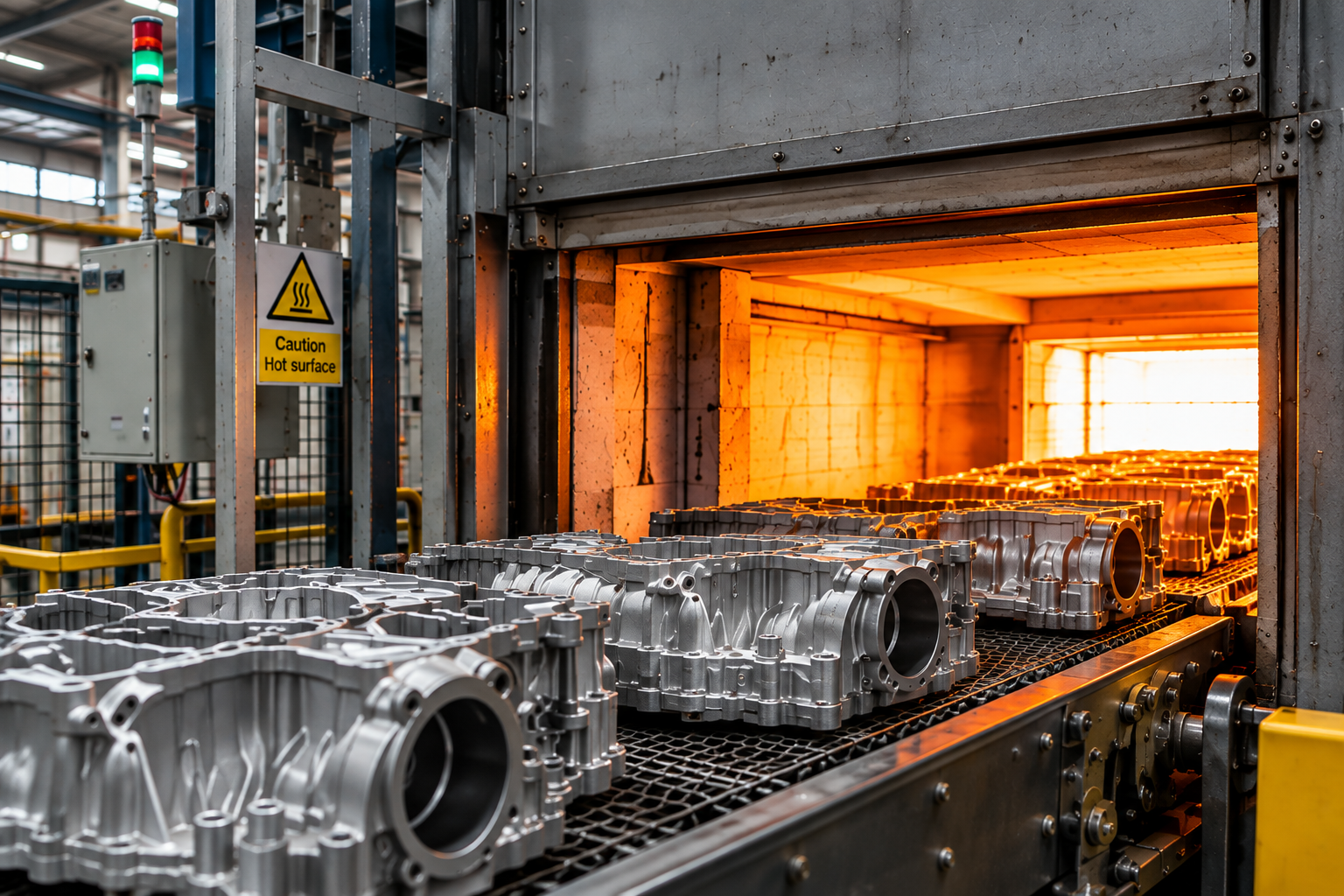
Process variation is difficult to see and difficult to manage
Heat treatment is a critical stage in the manufacture of aluminium castings. The combination of temperature, heating rate, soak duration, quenching and cooling behaviour influences the resulting material condition and can affect properties, residual stresses, distortion and cracking. At industrial scale, heat-treatment behaviour can also be influenced by factors such as alloy composition, component geometry, furnace characteristics and process history. SMART-HEAT PRO investigates how improved visibility of these conditions can support better-informed heat-treatment decisions.
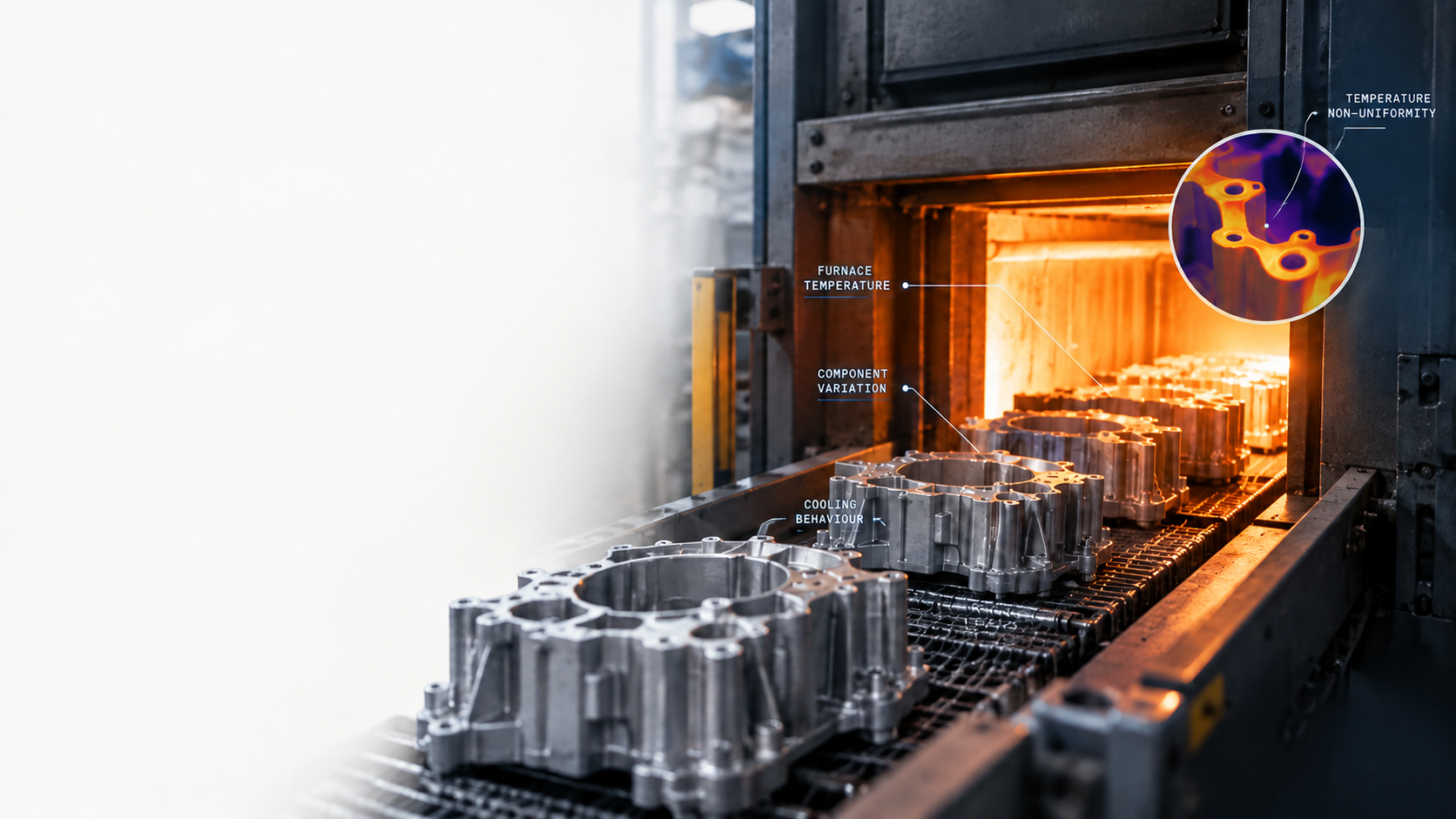
From process conditions to process insight
Capture more of what is happening in the process
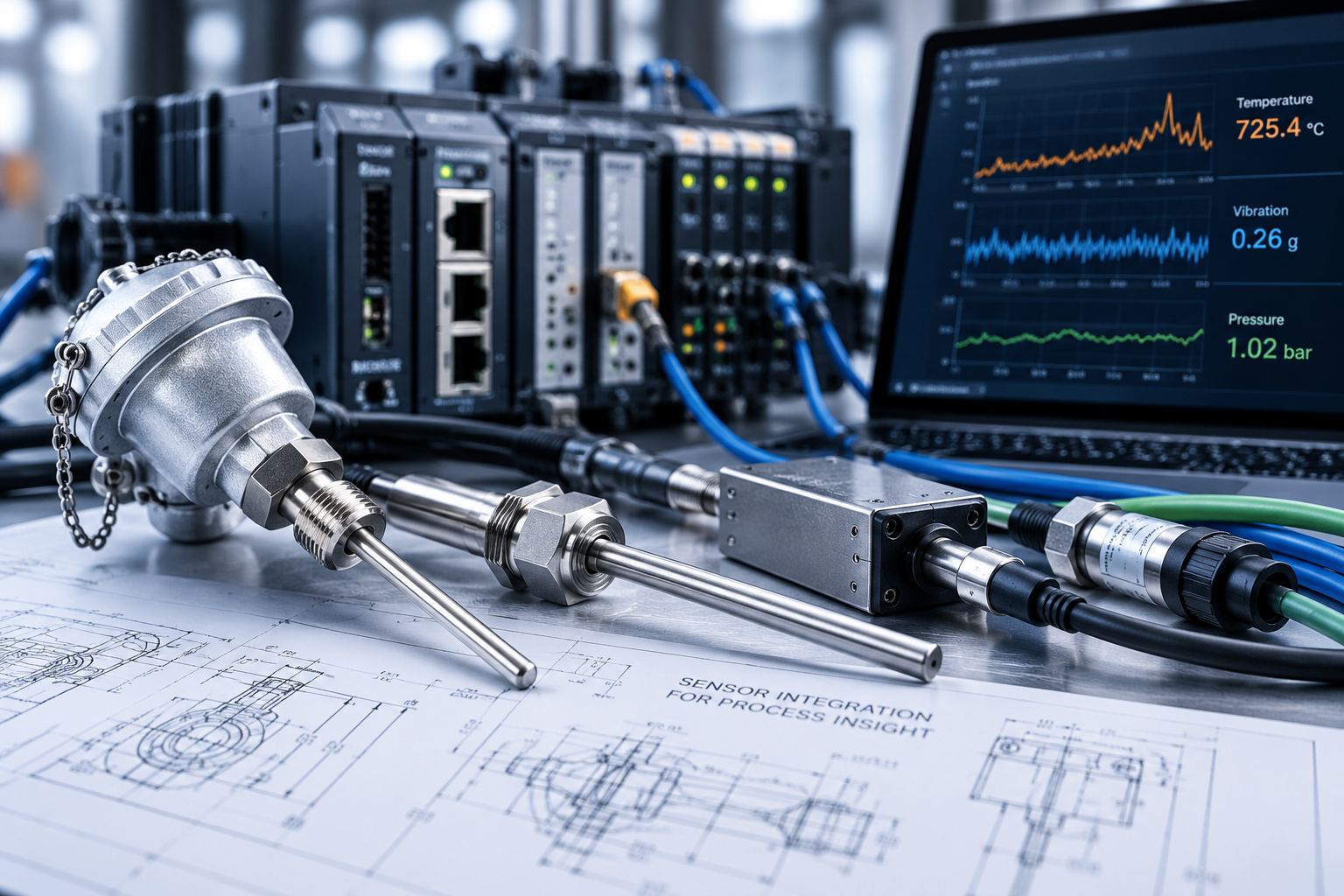
The proposed sensing layer captures process conditions through multi-point thermocouples, infrared sensing, environmental probes, gas composition detection and energy-flow measurement.
Turn process data into useful process information
The proposed data-processing layer uses edge computing and machine-learning analysis to examine temperature profiles, thermal gradients, atmospheric conditions and furnace behaviour.
Present information where it can support industrial decisions
The proposed user interface provides real-time process information and recommendations, with the architecture designed to support PLC integration for semi-automated implementation.
How the System Captures, Analyses and Uses Process Data
Capture Process Conditions
The proposed system combines multiple sensing technologies to capture process conditions.
- Multi-point thermocouples
- Infrared sensors
- Environmental probes
- Gas-composition detection
- Energy-flow measurement
Understand Thermal Behaviour
The data-processing layer uses edge computing and trained machine-learning models to analyse information including temperature profiles, thermal gradients, atmospheric conditions and furnace behaviour.
- Temperature profiles
- Thermal gradients
- Atmospheric conditions
- Furnace behaviour
- Process conditions
Present Information Where It Matters
The proposed user interaction layer provides real-time visualisation of process information. Recommendations can be relayed to a PLC for semi-automated implementation, while processed information can be logged locally and uploaded to a secure dashboard.
- Real-time process visualisation
- PLC recommendation interface
- Local logging
- Secure dashboard
Designed Around Existing Industrial Infrastructure
The project is developing a modular approach intended to operate within existing industrial environments. The proposed architecture supports interoperability with common PLC and SCADA systems, using OPC-UA protocols alongside local data processing and secure data handling.
The focus is integration: adding better process visibility and decision support without requiring wholesale replacement of existing infrastructure.
Industrial Demonstration
The project moves beyond system development into industrial demonstration and technical validation.

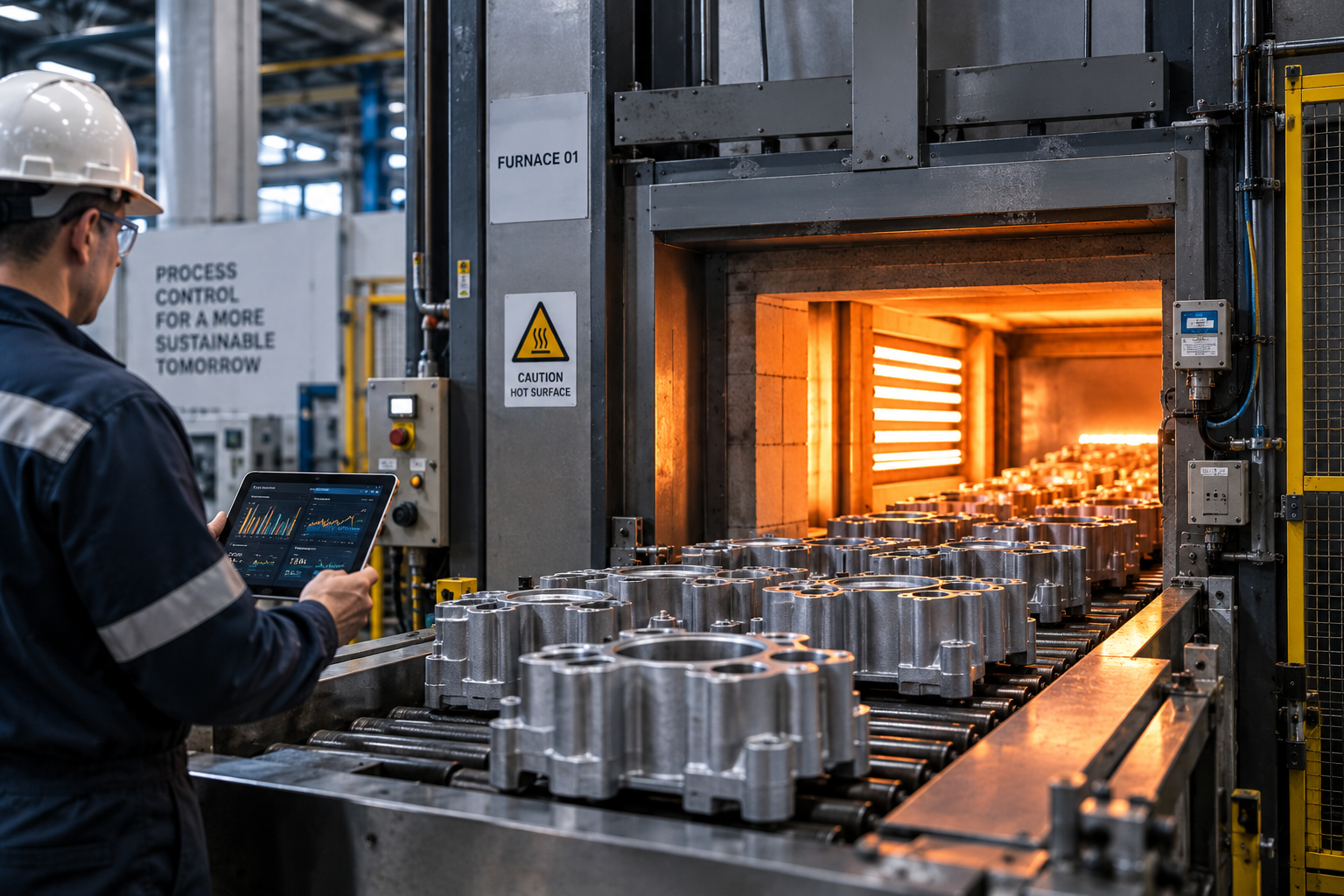
System installation, pilot heat-treatment campaigns and monitoring of energy and cycle-time performance.
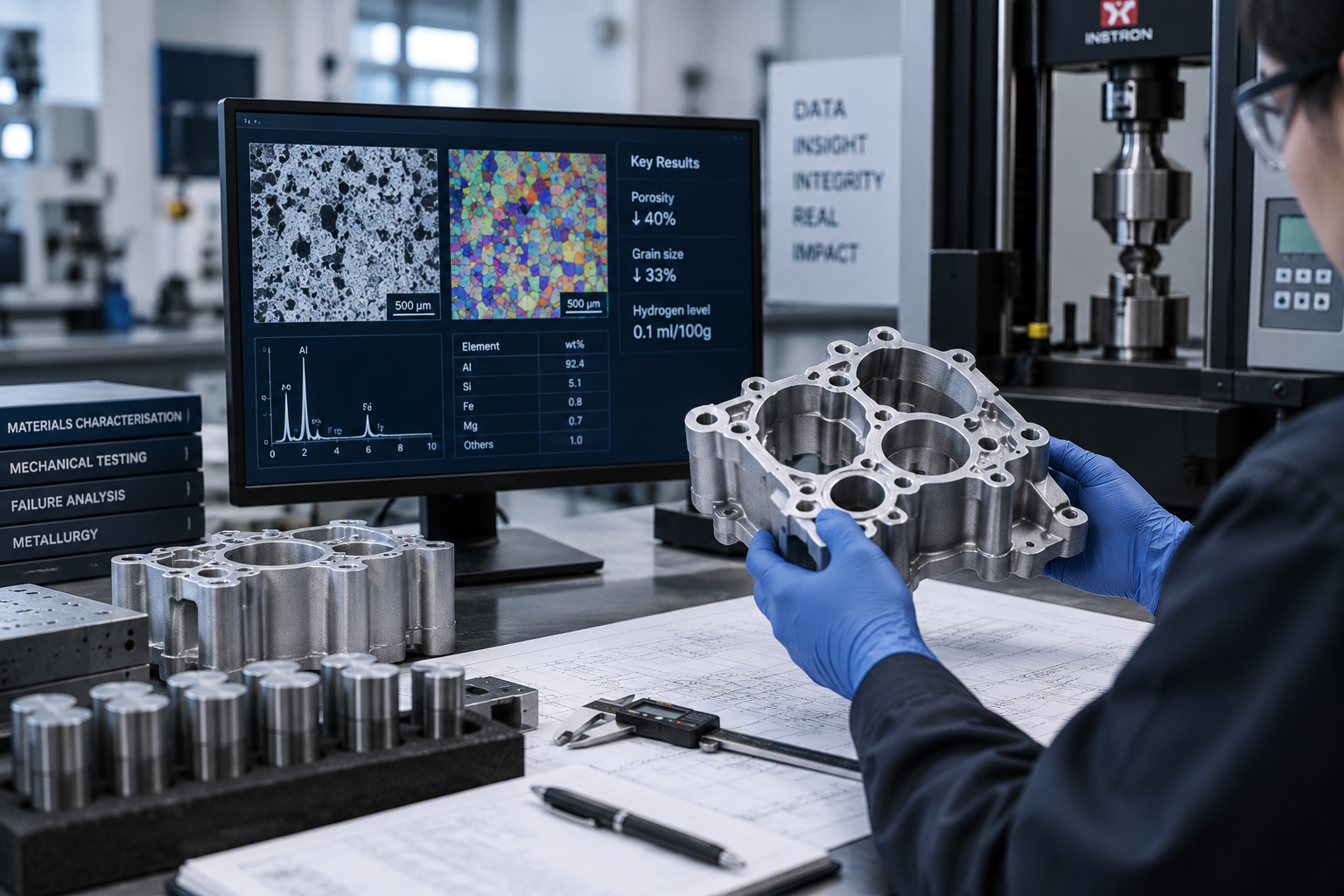
System trials involving high-integrity castings, followed by metallurgical assessment and defect analysis.

Materials expertise, metallurgical assessment and cross-partner technical validation.
The project is intended to move from technical development into industrial testing and evidence gathering.
Five Organisations. Complementary Expertise.
Development to Integration to Demonstration to Validation to Commercialisation
Specification & Baseline
Establish requirements, roles, risks and baseline conditions.

Sensor & Model Development
Develop the sensing and analytical components.
System Integration
Bring the system components together in an operational test environment.

Industrial Pilot
Deploy and monitor the system in industrial environments.
Independent Validation
Assess performance and technical outcomes.
Exploitation & Commercialisation
Translate project learning into future application and market opportunities.
Project Timeline
Mobilisation & Development
Project establishment, specification and baseline activity.
Development & Integration
Sensor/model development and integration activities.
Industrial Demonstration & Validation
Pilot deployment, performance monitoring and validation activities.
Final Review & Exploitation
Final project review and exploitation planning.
From Industrial Research to Commercial Opportunity
SMART-HEAT PRO includes a dedicated exploitation and commercialisation workstream. The project is intended to establish a route from technical development and industrial validation towards future market application.
The project is exploring where better process visibility, data analysis and process support could create practical value in industrial heat treatment.
The commercialisation workstream considers:
- Market opportunity
- Industrial application
- IP and regulatory considerations
- Demonstration
- Route to market
FAQ
Explore the Project and Its Commercial Potential
SMART-HEAT PRO will share its progress as the project moves through development, integration, industrial demonstration, validation and commercialisation. For organisations involved in industrial heat treatment, aluminium casting or related thermal processing, the project provides a route to follow the technology as it moves through development, demonstration and validation.
Discuss Industrial Application
For organisations involved in industrial heat treatment, aluminium casting or related thermal processing, get in touch to discuss the project and its industrial relevance.